










What are you posting?
Pick a type and we'll take you to the right form.
How to Stop Supporting Manchester United: A Detailed Guide to Breaking Up for Good
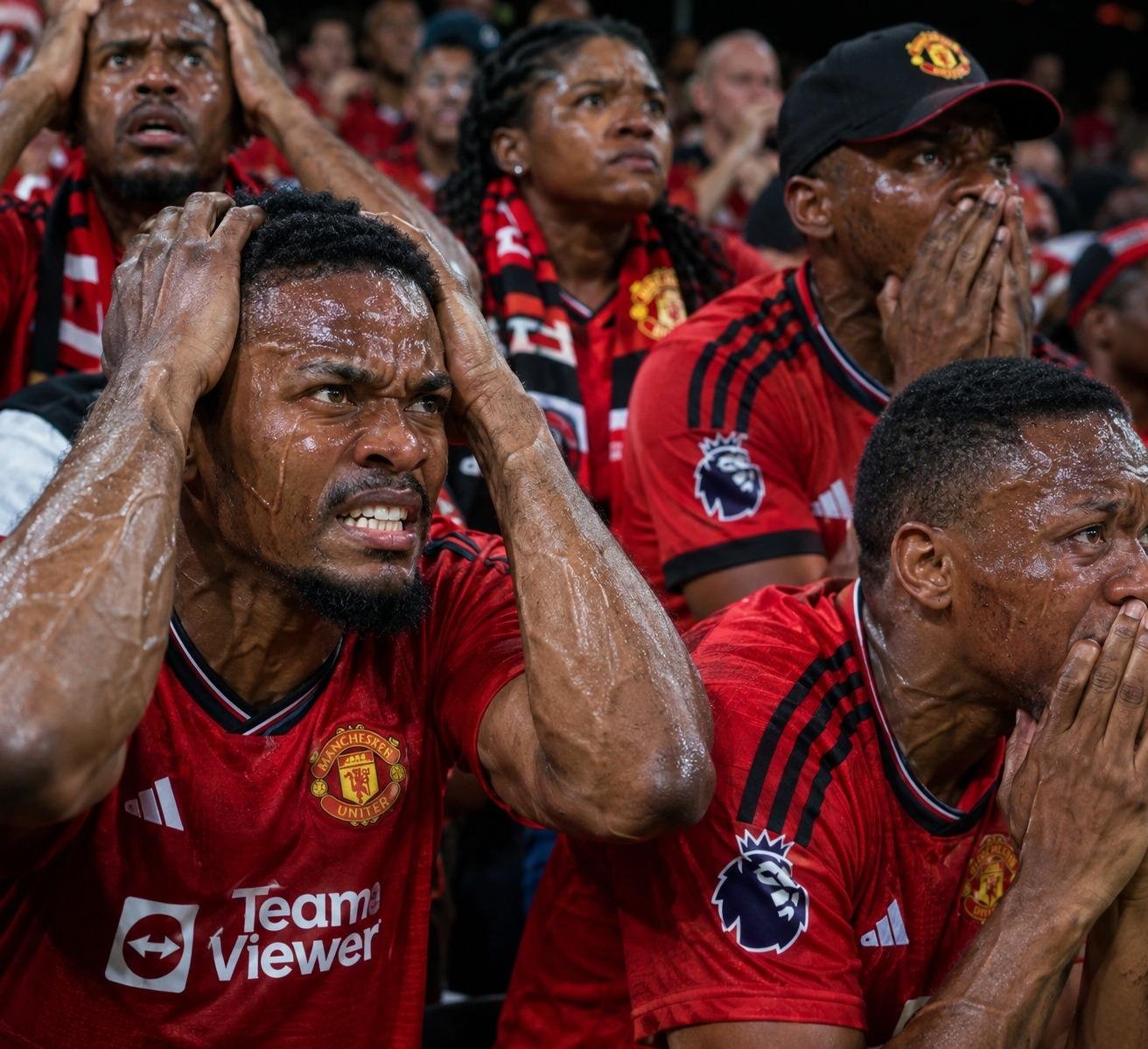
How to Stop Supporting Manchester United: A Detailed Guide to Breaking Up for Good
Let’s be honest: supporting Manchester United can sometimes feel less like following a football club and more like being trapped in a long, emotionally expensive relationship. You give it your weekends, money, attention, hope, and peace of mind—only to spend much of the season asking yourself why you keep coming back.
Maybe you are tired of disappointing results, endless managerial changes, transfer-window chaos, online arguments, or the familiar cycle of believing that this season will finally be different.
Whatever your reason, you are allowed to walk away.
This guide is for anyone ready to end their relationship with Manchester United permanently—not merely take a break until the next big win, new manager, or marquee signing.
Why It Feels So Hard
Football fandom is not just entertainment. For many people, it becomes part of their identity, social life, memories, and emotional routine. Research on sport fandom describes “team identification” as a psychological connection in which a team’s results feel personally relevant to the supporter. That helps explain why leaving can feel strange. You are not simply choosing to watch fewer matches; you may be stepping away from a community, a ritual, and a version of yourself.
But none of that makes leaving impossible. It simply means the decision deserves a thoughtful plan.
Phase 1: Accept That the Relationship Is Over
The first step is admitting that your attachment to the club no longer gives you the enjoyment you want.
Think honestly about what supporting United costs you:
- Your peace of mind: A bad result can ruin your mood for the rest of the day.
- Your time: Matches, highlights, transfer rumours, podcasts, and online debates consume hours.
- Your money: Jerseys, subscriptions, merchandise, and match screenings add up.
- Your emotional energy: You defend players, managers, and decisions you would never tolerate elsewhere.
- Your weekends: Fixtures shape your plans, and defeats can cast a shadow over them.
Ask yourself one direct question:
If I started following football today, knowing everything I know about Manchester United, would I choose this club?
If the answer is no, take that answer seriously.
You do not owe a football club lifelong loyalty simply because you supported it as a child, inherited the tradition from your family, or grew up during its greatest era. A past connection is real, but it is not a lifetime contract.
Phase 2: Break the Emotional Attachment
You cannot move on while continuing to feed the same attachment every day. The goal is to reduce the reminders, routines, and triggers that keep pulling you back.
Put the Merchandise Away
Store your jerseys, scarves, mugs, flags, and other United memorabilia somewhere out of sight. You do not need to burn them or throw them away. The objective is simply to stop surrounding yourself with daily reminders of your former allegiance.
Unfollow the Club Everywhere
Remove Manchester United’s official accounts, fan pages, transfer journalists, podcast channels, and fan communities from your feeds.
If necessary, mute keywords such as:
- “Manchester United”
- “United”
- “Red Devils”
- Names of current players or managers
- Common transfer-rumour phrases
Your algorithm should no longer serve you United content every few minutes.
Stop Watching Matches
This is the most important boundary.
Avoid watching United live, checking live scores, opening match highlights, or tuning in “just to see whether they lost.” Even watching out of frustration keeps you emotionally invested.
You cannot emotionally detach from a club while still treating every result as your personal business.
Replace the Match-Day Habit
Habits are strongly shaped by cues, routines, and rewards. Psychologists note that changing the context around a behaviour can make it easier to change the behaviour itself.[apa][apa]
So do not leave a vacuum where match day used to be. Schedule something else during fixtures:
- Exercise or go for a long walk
- Meet friends or family
- Read, cook, clean, or work on a personal project
- Watch a film or series
- Learn a new skill
- Explore a different sport or hobby
Empty time makes old habits much easier to resume.
Phase 3: Stop Making Excuses for the Club
One of the hardest parts of leaving United is breaking the cycle of justification.
You may recognise these familiar thoughts:
- “Give the manager another transfer window.”
- “We just need two or three quality players.”
- “We are rebuilding.”
- “Next season will be our season.”
- “At least we are still the biggest club in England.”
- “We won the Premier League and Champions League in the past.”
The problem is not that these statements are always false. The problem is that they can keep you emotionally committed even when supporting the club no longer makes you happy.
Try this instead:
Judge your experience by what it gives you now, not by what it gave you years ago.
You can appreciate the memories of Sir Alex Ferguson, Eric Cantona, Cristiano Ronaldo, Wayne Rooney, and other legends without continuing to support the club. Your memories belong to you. They do not create an obligation to keep investing forever.
Phase 4: Choose What Happens to Your Football Life
You have three sensible options after leaving United.
| Option | What It Looks Like | Best For |
|---|---|---|
| Quit football fandom altogether | Stop following clubs, tables, transfer news, and match debates for a while | People who feel drained by football itself |
| Keep football, leave United | Enjoy matches, tactics, and great players without a fixed allegiance | People who love the sport but not the emotional burden |
| Support a different club | Choose a new team based on playing style, values, community, or personal connection | People who still want the belonging of fandom |
My advice? Try Option A or B before choosing another club. Otherwise, you may simply replace one emotional roller coaster with another.
If you do choose a new club, take your time. Learn about its culture, history, supporters, and style of play before committing. Fandom is often built on more than locality or family ties; it can also reflect the values and social connections a person wants in their life.
Phase 5: Survive the First 30 Days
The first month is the most important. You are not just making a decision—you are dismantling a routine.
Days 1–3: Make the Break
- Unfollow United accounts and fan channels.
- Turn off football notifications.
- Remove United merchandise from everyday view.
- Write down why you are leaving.
Days 4–7: Break the Match-Day Routine
- Do something else during United fixtures.
- Avoid live scores and highlights.
- Step out of United arguments in group chats.
- Track the time and money you save.
Days 8–14: Build a New Routine
- Explore a non-football hobby.
- Spend match time with friends or family.
- Watch other football only if it is genuinely enjoyable.
- Resist checking United news out of curiosity.
Days 15–21: Handle the Temptation
- Notice what triggers the urge to check United.
- Avoid transfer rumours and “comeback” narratives.
- Remind yourself why you made the decision.
- Allow yourself to enjoy football without choosing a side.
Days 22–30: Make It Your New Normal
- Review how you feel on match days.
- Keep the boundaries that work.
- Decide whether you want football in your life at all.
- Commit to your choice without needing to prove it to anyone.
The key is not to rely on willpower alone. Make the old habit harder and the new behaviour easier: change your feed, change your schedule, change your social environment, and give yourself something better to do.Phase
6: Deal With Friends Who Support United
This can be especially difficult if most of your friends are United supporters.
They may send you highlights, invite you to watch matches, accuse you of being a fair-weather fan, or try to pull you back into debates.
You do not need to argue about whether your decision is justified.
Use a simple response:
“I’ve decided to stop supporting Manchester United. I’ve given the club enough of my time and emotional energy, and I want to enjoy football differently. It’s a personal decision, so don’t expect me to follow every match or debate the club anymore. No hard feelings—I’m simply moving on.”
If they keep provoking you, mute the conversation or change the subject. You can maintain friendships without participating in every football argument.
And remember: you do not need to hate United to leave United.
Phase 7: Avoid the Biggest Relapse Traps
The Big Win
United beat a major rival or win a trophy, and suddenly you wonder whether you made a mistake.
A good result does not invalidate your decision. Ask yourself whether you genuinely want to return—or whether you simply miss the excitement of the moment.
The Transfer-Window Promise
A new signing, manager, or ambitious announcement creates hope. You start researching the squad again.
Remind yourself: your decision is about your relationship with football, not about one transfer window.
Peer Pressure
Everyone is watching the derby, and you feel excluded.
Find another activity or social setting. Belonging is one of the meaningful parts of fandom, so replace the social connection rather than simply removing it.
Nostalgia for the Glory Days
You remember the trophies, iconic goals, and legendary players.
Enjoy those memories as part of football history. Remembering a great past does not require you to invest in the present.
Phase 8: Write Your Final Goodbye
If you want the decision to feel definitive, write a personal statement and keep it somewhere you can revisit.
My Final Goodbye to Manchester United
Today, I am choosing to move on from Manchester United.
I appreciate the memories, the legendary players, the unforgettable matches, and the moments of joy the club has given me. But I recognise that my past investment does not obligate me to keep investing my time, money, and emotions indefinitely.
Football is supposed to be entertainment, not a source of constant frustration or an obligation I cannot escape.
From today, I release myself from the pressure to defend the club, follow every match, explain every defeat, or believe every promise about the future.
I do not need to hate Manchester United. I do not need to prove that another club is better. I do not need anyone’s permission to change.
My football life belongs to me.
The relationship is over. I am moving on.
Your New Life After United
Imagine a Saturday afternoon when United lose—and you barely notice.
No anger. No excuses. No arguments. No ruined evening.
You spend your time on something you genuinely enjoy instead.
That is the real goal: not making Manchester United suffer, not celebrating every defeat, and not spending the next five years telling everyone how much you hate the club.
It is reaching the point where the club no longer determines your mood.
One final thought: you are allowed to change your mind about what you enjoy. Loyalty is a personal choice, not a debt you owe to a football club.
Quick Self-Check
What is the main reason you want to break up with United for good?
- I’m tired of the constant disappointment and poor results.
- I’m frustrated with the owners, management, or transfer decisions.
- The club affects my mood and peace of mind too much.
- I want my time and money back.
- I’ve simply lost interest in the club.
What does breaking up mean for you?
- I want to stop following football completely.
- I still want to watch football, but without supporting United.
- I want to find another club to support.
- Nairobi City Updates
- Nairobi City Estates
- Nairobi City Culture
- Nairobi City Roads
- Nairobi City Nightlife
- Nairobi City Trusted Businesses
- Nairobi City Fitness and Aports
- Nairobi City Accommodation Options
- Nairobi City Service Providers
- Nairobi City Gallery
- Newly Out in Nairobi
- Nairobi City Price Lists
- Food
- Gardening
- Health
- Autre
- Nairobi City Places
- Sports
- Nairobi News & Opinion
- Nightlife
- Places & Reviews
- Travel & Getaways
- Business & Money
- Tech
- Culture & Lifestyle
- Fashion & Beauty
- Relationships
- Sports Talk

 English
 Arabic
 Spanish
 Deutsch
 Italiano
 Romaian
 Portuguese (Brazil)
 Greek